
Steady at speed, no spin on orbit
A three-axis mechanical gimbal decouples the line of sight from the airframe: no shake at cruise speed, no image rotation while orbiting — the operator watches the target, not the aircraft's motion.
A three-axis mechanical gimbal decouples the line of sight from the airframe: no shake at cruise speed, no image rotation while orbiting — the operator watches the target, not the aircraft's motion.
High-precision stabilisation and positioning algorithms resolve the target coordinates inside the pod: 3 m or better at 1 km, so a sighting is a fix, not a second pass to confirm it.
Onboard AI recognises people, vehicles and vessels and keeps tracking them. The AR layer stamps the box, the ID and the position onto the video, so the command post works from an annotated picture, not raw footage.
Five views fire together, and centimetre-level POS data is written straight into every frame — survey without ground control points: fly the sortie, then go straight to aerial triangulation and the mesh.
A 1280 GB storage module comes as standard, with each sortie kept in its own folder — large-area, high-density mapping flown in a day, with no mid-field downloads and no clearing memory between flights.
Real-time LiDAR point cloud sync, fused with camera imagery, generates colourised 3D model data on the spot — the site leaves with a 3D model in hand, not a stack of files for the office.
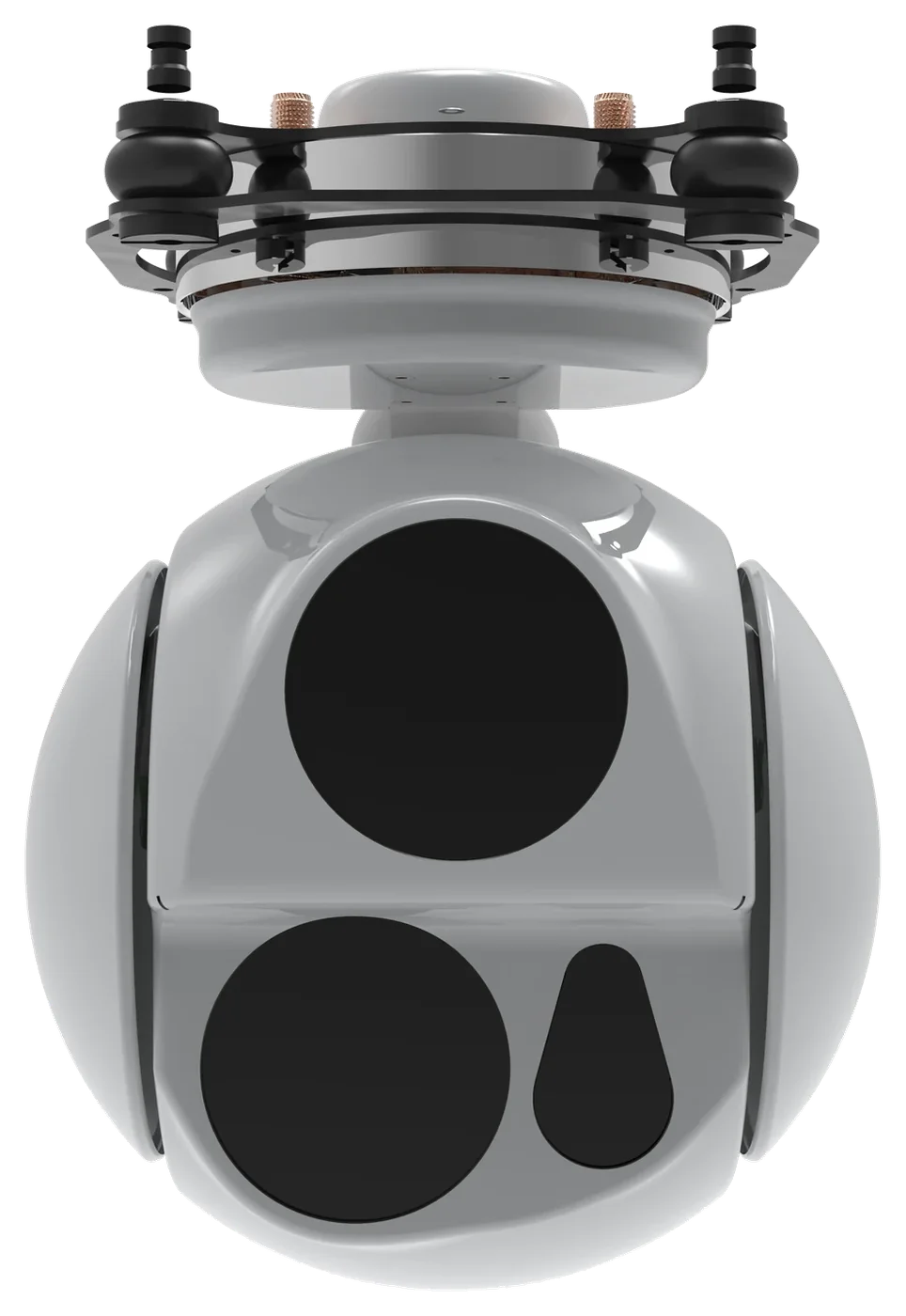
Triple-sensor pod with a 3 km laser rangefinder. The lightest of the three — under 1 kg, so it flies on the small electric airframes and still returns target coordinates.
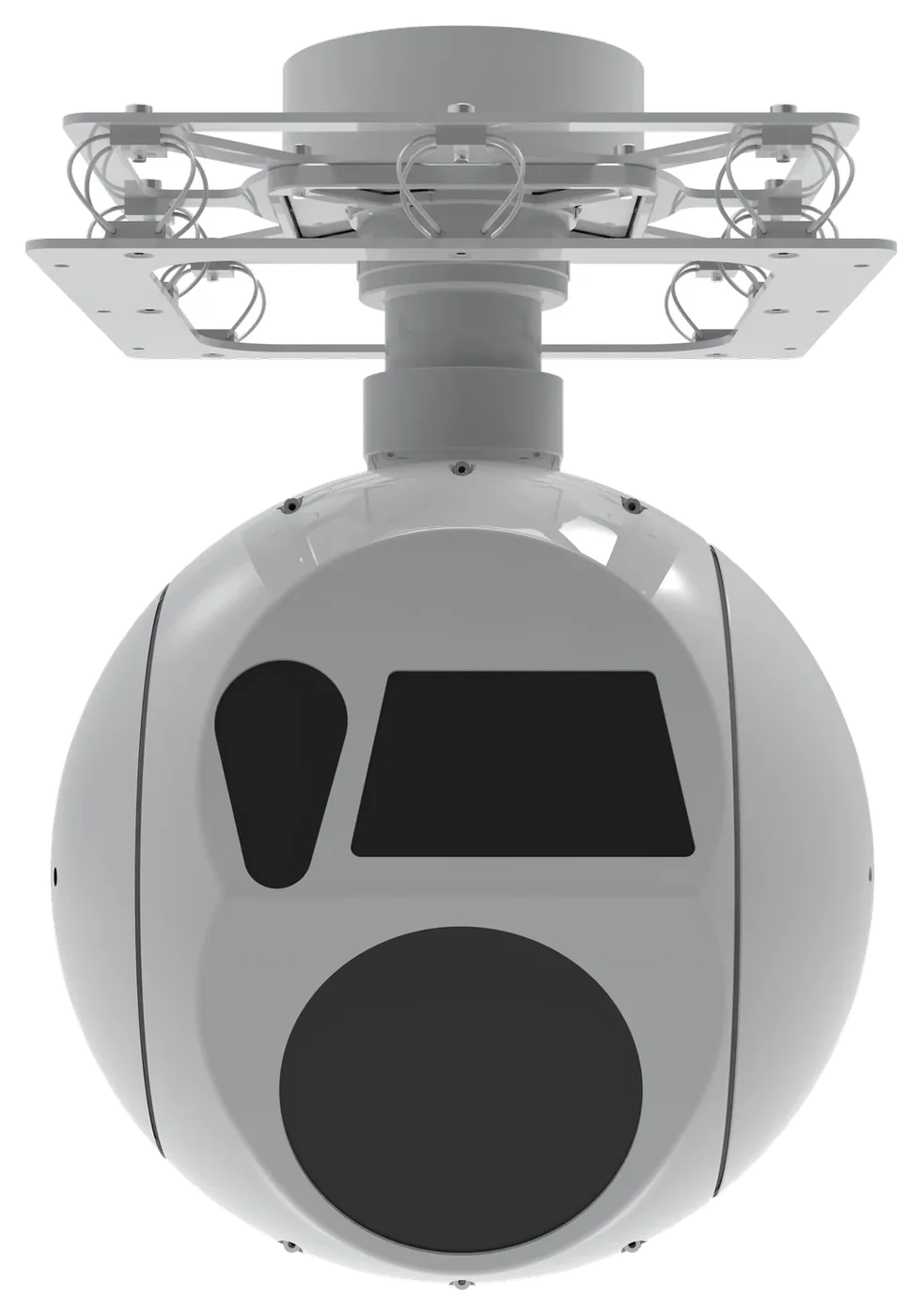
The long-range pod: 75 mm thermal, 6 km laser and 3 m target accuracy at 1 km. This is the one to fit when the job is reading a target, not just seeing it.
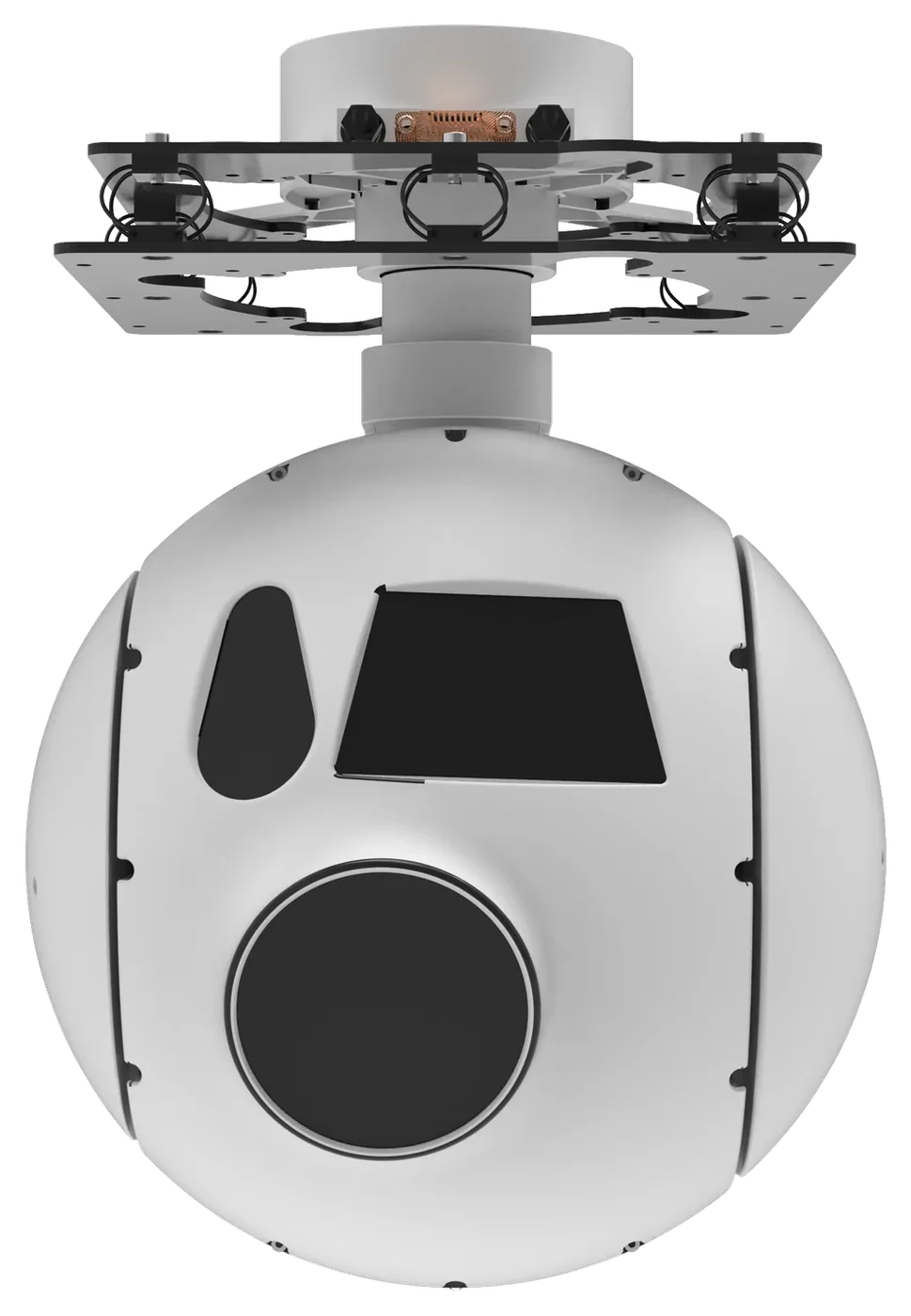
Cooled zoom thermal with EO and laser in one gimbal. The 20–275 mm continuous zoom is what makes it usable at both ends of a patrol — wide for search, tight for identification.
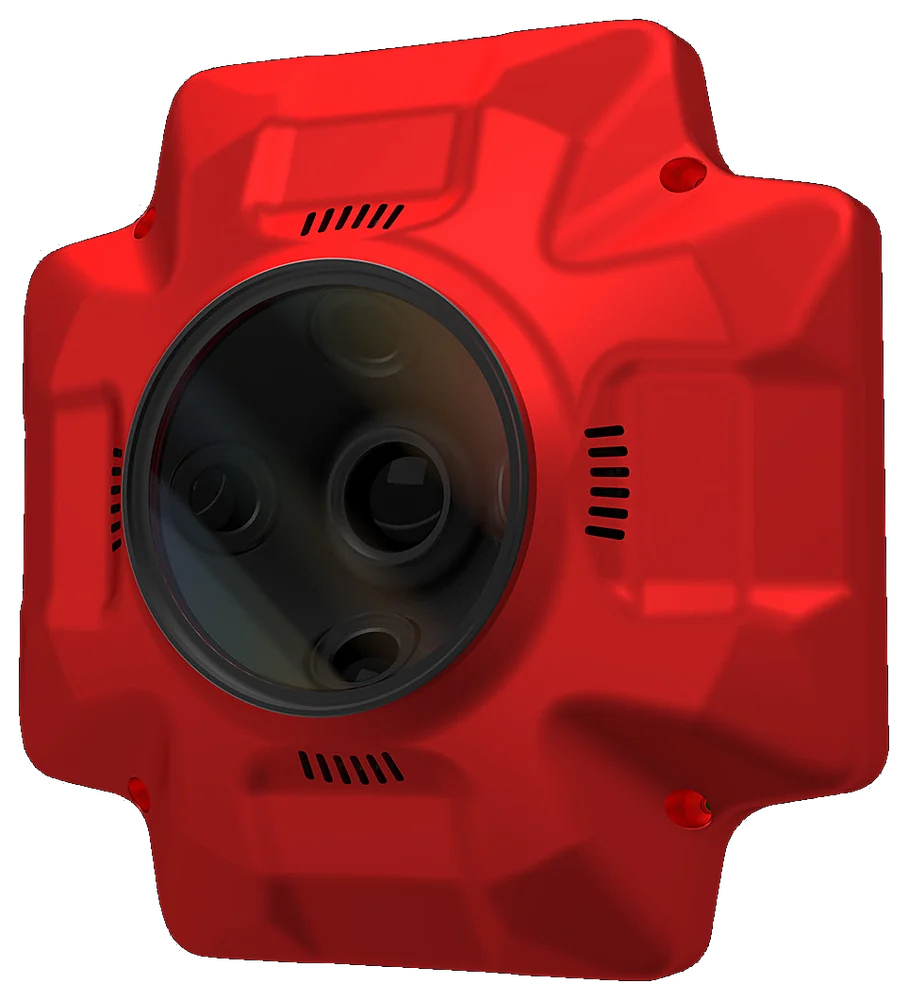
125 MP five-lens oblique camera, 666 g. The standard fit for city-block 3D and 1:500 oblique work on the electric airframes.
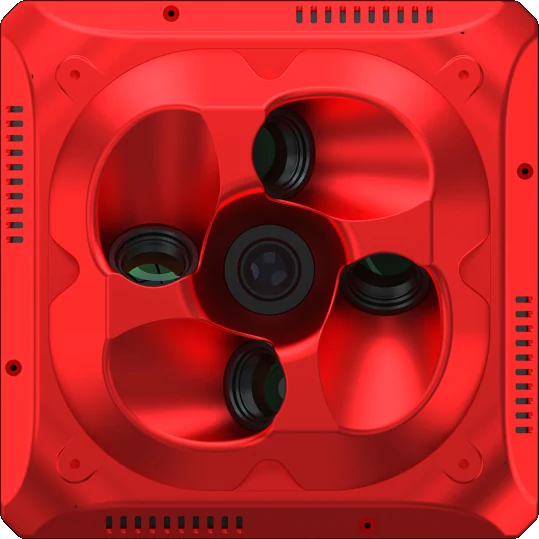
225 MP full-frame five-lens camera — about 1.8x the pixel count of the 102S (225 vs 125 MP), so the same flying height returns finer ground detail. The option for dense urban blocks and fine mapping.
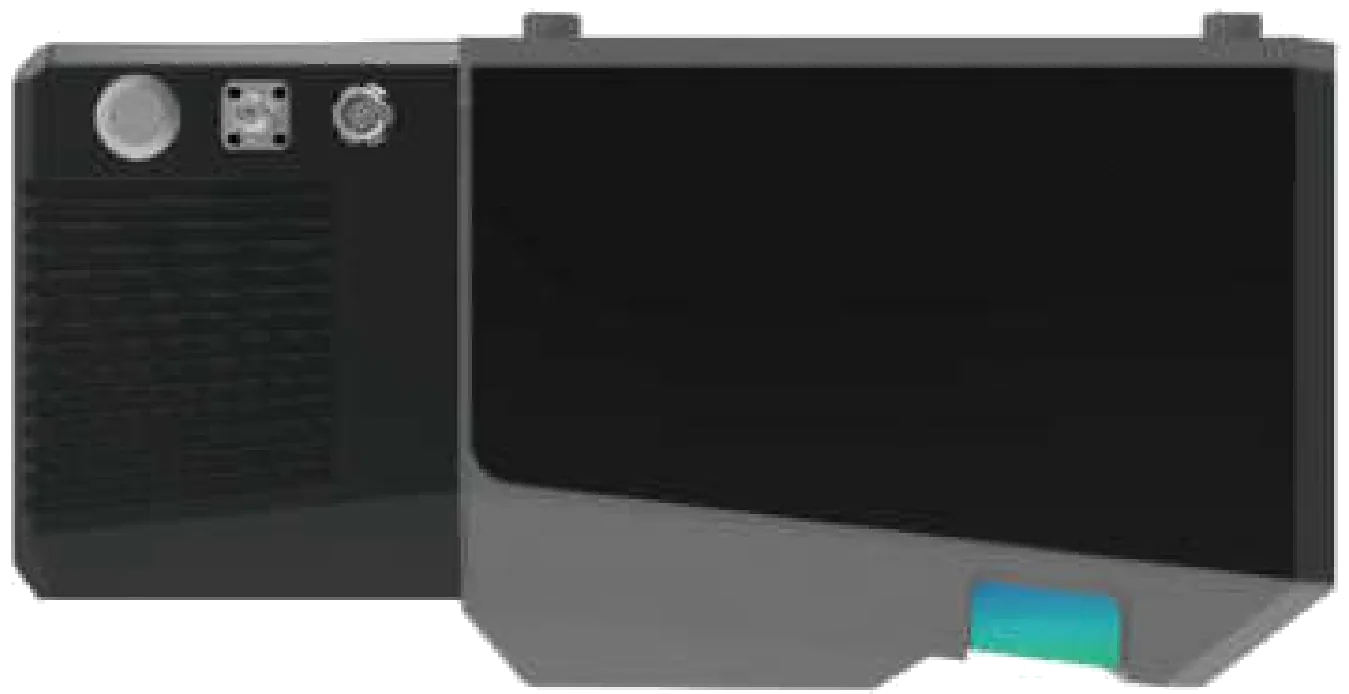
1,000 m airborne LiDAR with a 45 MP built-in camera. One pass gives you the point cloud and the imagery that goes with it.